
 Menu
MenuEverything You Need To Know About "Cold air vents and CAI kits"
You may have noticed that your car feels much more powerful on cold mornings than it does in the middle of summer. This is due to the effects of air temperature. It is a simple fact that cold air carriers are more oxygen and warmer air. An intake vent will help to address this problem, and can be a stylish addition to your car. 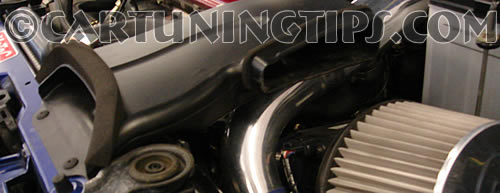 Therefore for performance applications you really want to be sucking cold air into the engine. The problem we will encounter though is that an engine produces a lot of heat. The more power you are producing the more heat will be released by the engine. The job of the radiator is to take heat from the engine exposing is to the cold outside air and therefore reducing the temperature of the engine.
The problem with this arrangement is that the temperatures under the bonnet of the car rise to very high levels in a relatively short period of time. One way of reducing the under bonnet temperature is to put lagging around the exhaust, particularly the headers. This will also help the catalyst to reach operating temperature more quickly. Motor sport teams make good use of vents in the bonnet and wing of the car.

These allow additional air flow through the engine bay and help to dissipate the high temperatures. Ideally you want your air intake to be sucking in the fresh air from outside of the engine bay, and one way of achieving this is quite simply to have a vent cut in the bonnet just above the intake area. You will need to be careful that you do not suck water into the air intake as this will really not help the engine. The best applications we have seen include a cold air induction kit fed from a vent on the bonnet with the induction kit housed in a box to separate it from the hot air in the engine.
An intercooler may also be used to help reduce the temperature of the intake charge in typical high pressure turbo and supercharged applications.
Citing the intercooler behind a vent will be substantially better than mounting it near the radiator, where the hot air around the radiator will reduce the effectiveness of the intercooler. You cannot just cut holes in the bonnet if you look underneath the bonnet and remove the sound deadening material you will notice that there are sets of reinforcement bars usually in the pattern of triangles.
You should not cut through any of these bars, unless you want to reduce the rigidity of the bonnet or risk it bending and flexing as you drive along. When creating vents you also have to be conscious that you are not exposing any electrical components to the possibility of water ingress. A shield or scoop may help to minimize this risk. The addition of a carbon fibre bonnet with integral vents will help also as this will be more effective at dissipating the heat much better than steel unvented bonnet.
Check out TorqueCars new YouTube channel, and see their awesome new content...
Feedback
Please use our forums if you wish to ask a tuning question, and please note we do not sell parts or services, we are just an online magazine.
Help us improve, leave a suggestion or tip