
 Menu
MenuAll you need to know about "Diesel tuning"
The modern diesel engine has moved on a long way from those agricultural units of times passed. Many dismiss diesels because they have experienced them in the past as being slow smelly and noisy. The diesel engine has moved on a long way from this and they are now very refined and offer petrol matching levels of performance.
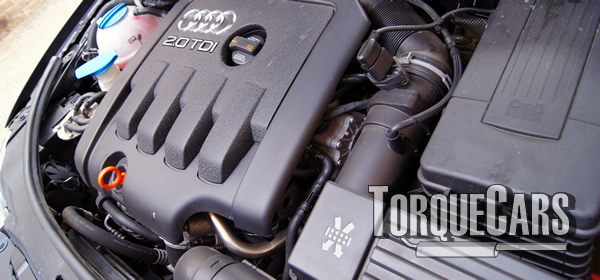
The way a diesel engine works, unlike petrol is by detonating the fuel air mix by putting it under pressure. This means that the fuel is efficiently burned, much more so than with a conventional petrol engine. As a consequence diesel burns much more slowly than petrol which is why you do not see the same high rpm ranges. Instead of a high rpm you get a really flat and very high torque curve.
Particulate filters are a necessary evil and help to reduce the emissions in the exhaust. With modern high pressue fuel injection systems a very precise charge of fuel can be delivered directly into the cylinder which helps to keep the power high and emissions low. There are also many other innovations in modern diesel engines such as fuel warming and extreme high pressure injection rails ensuring that diesel is to be taken seriously. So what diesel tuning options are there?
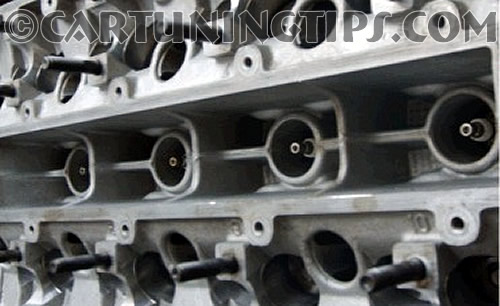
Physical modifications to the head such as port matching, gas flowing and to a lesser extent 3 angle valve jobs do not have much of an effect. Sadly there is little that can be done tune a naturally aspirated diesel engine! Should you be lucky enough to have a modern Turbo Diesel engine like the VAG PD, CR and French HDI units you have a very tunable engine indeed.
Modern Turbo diesels are a lot more refined and have plenty of scope for tuning. If the car was manufactured after 2000 you should be able to remap the cars computer. The computer (or ECU) controls many aspects of the engine from fuelling to boost pressure.
From around 2009 many manufacturers locked the ECU to prevent tuning using a tricore lock. These can still be remapped but usually have to be removed from the car and bench flashed.
Remaps effectively force more air and fuel into the engine by controlling the turbo wastegate and injectors, and this can net a power gain of around 30%. Most diesel cars that have been remapped enjoy greater fuel economy plus silly levels of torque.
This all sounds very good but are there any downsides? By working the car harder you have less tolerance to poor quality fuel and need to service the car more regularly. We also recommend changing the oil every 6 months using a good quality oil.
Some cars with high mileages and weak clutches may experience a slipping clutch. Generally replacing the clutch and ditching a DMF flywheel are sensible options to anyone tuning a car but most clutches will be fine.
Another substantial difference that can be made to diesel engines is with the addition of nitrous oxide injection. As this combusts it provides additional oxygen allowing more fuel to be burned.
Tuning diesels is not particularly popular so there are not many performance parts offered. This is changing though as more people switch to diesel engines. If you are serious about extracting the maximum performance from your Diesel engine then other mods should include an uprated intercooler a high flow panel air filter and you could fit a larger capacity turbo to extract a little more power from the engine.
If you liked this page please share it with your friends, drop a link to it in your favourite forum or use the bookmarking options to save it to your social media profile.
Check out TorqueCars new YouTube channel, and see their awesome new content...
Feedback
Please use our forums if you wish to ask a tuning question, and please note we do not sell parts or services, we are just an online magazine.
Help us improve, leave a suggestion or tip